
"dry climate coffee"
8000 article(s) found

Some coffee-growing areas in Kenya will not be able to cultivate by 2050
Scientists warn that climate change will be permanent, so growers may be forced to revolutionize their farming methods, including the types of crops they grow, Kenya's Business Daily reported. Experts predict that some tea and coffee growing areas will not be able to cultivate by 2050. Experts say the dry climate will make it harder to grow in central Kenya.
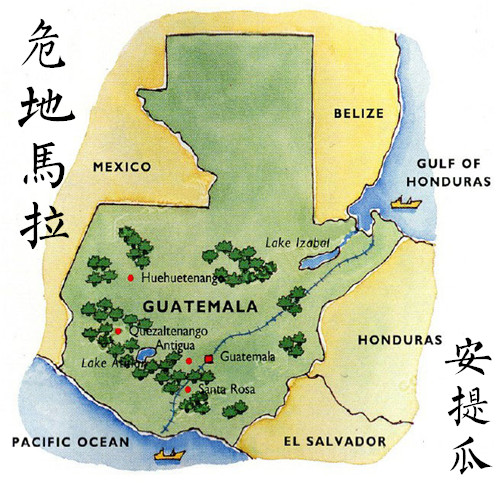
Guatemalan Coffee how to taste a single coffee? Guatemalan Coffee Latisha Manor
[guide] the Ekatlago Valley rises to 2000 meters (6500 feet), with dense shade and unique ecology, and the nearby Fuego volcano erupts, making its coarse, sandy soil rich in various minerals. Temperate sea breezes from the Pacific Ocean and seasonal climate have raised the Ekatangol Valley in Guatemala Guatemala to 2000 meters (6500 feet).
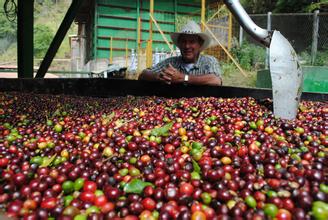
Buy Guatemalan Coffee how to taste a single coffee? Antigua Antigua Guatemala
[guide] the Ekatlago Valley rises to 2000 meters (6500 feet), with dense shade and unique ecology, and the nearby Fuego volcano erupts, making its coarse, sandy soil rich in various minerals. Temperate sea breezes from the Pacific Ocean and seasonal climate have raised the Ekatangol Valley in Guatemala Guatemala to 2000 meters (6500 feet).
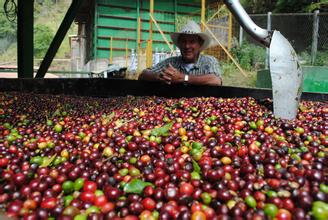
Guatemala National Guatemala production area Guatemala time Guatemala Coffee New Oriental region
[guide] the Ekatlago Valley rises to 2000 meters (6500 feet), with dense shade and unique ecology, and the nearby Fuego volcano erupts, making its coarse, sandy soil rich in various minerals. Temperate sea breezes from the Pacific Ocean and seasonal climate have raised the Ekatangol Valley in Guatemala Guatemala to 2000 meters (6500 feet).

Introduction to the characteristics of Yemeni Sanani Moka Coffee beans-Analysis of hand Cooking of Yemeni Mokasanani
Professional coffee knowledge exchange more coffee bean information please follow the coffee workshop (Wechat official account cafe_style) Yemeni coffee Mokasanani | Yemen Mocha Sanani coffee produced in Sanani, the capital of Yemen, is grown in a high altitude area around 1000m1300m, in a high temperature and dry climate. Varieties include iron pickup and bourbon, Yemeni coffee

Costa Rican Tarazu Black Milos Santos Fine Coffee very hard beans
Boutique coffee (specialty coffee) is also called specialty coffee selection coffee. It refers to coffee made from a small number of raw beans with excellent taste grown in an ideal geographical environment. Depending on the special soil and climatic conditions in which they grow, they have outstanding flavor. After strict selection and classification, this kind of coffee is hard in texture, rich in taste and stylish.
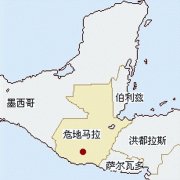
Coffee import declaration, coffee bean import declaration, supply, Guatemala coffee import declaration process
[guide] the Ekatlago Valley rises to 2000 meters (6500 feet), with dense shade and unique ecology, and the nearby Fuego volcano erupts, making its coarse, sandy soil rich in various minerals. Temperate sea breezes from the Pacific Ocean and seasonal climate have raised the Ekatangol Valley in Guatemala Guatemala to 2000 meters (6500 feet).

Guatemala Antigua Marguerite Coffee Flavor Why is Guatemala suitable for growing Coffee
Professional coffee knowledge exchange more coffee bean information please pay attention to the coffee workshop (Wechat official account cafe_style) Central America has a unique geographical environment, north and north America, south and south America border. Facing the Caribbean Sea and the Gulf of Mexico, the climate is relatively hot and humid, and it has always been an important coffee producing area in the world. Coffee has been driving Guatemala for more than a hundred years.

Indonesian specialty coffee Sumatra Azizayou Black Crown Manning
Qianjie-Jiayu Mantenin Crown Series Black Crown introduction [Aceh, Sumatra

Introduction to the treatment of raw coffee beans-tanning method
Sun treatment will first identify sunken beans in the sink, that is, ripe or half-ripe beans are spread in the drying farm for natural drying. The specific time depends on the local climatic conditions, which usually takes two to four weeks. When the moisture of the coffee bean is reduced to 12%, then use a sheller to grind off the hard pulp and silver skin. The requirement of the sun treatment on the climate is very high.
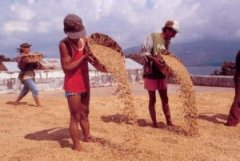
Introduction to the treatment of raw coffee beans in the sun
Sun treatment will first identify sunken beans in the sink, that is, ripe or half-ripe beans are spread in the drying farm for natural drying. The specific time depends on the local climatic conditions, which usually takes two to four weeks. When the moisture of the coffee bean is reduced to 12%, then use a sheller to grind off the hard pulp and silver skin. The requirement of the sun treatment on the climate is very high.

Characteristics of Coffee from Eight Major Producing Areas in Guatemala
Elevated to 2000 meters (6500 feet), it is densely shaded and ecologically unique, with the nearby Fuego volcano erupting intermittently, making its coarse, sandy soil rich in minerals. Temperate sea breezes from the Pacific Ocean and seasonal climates allow this region's coffee to be sun-dried and processed by home-style traditional methods accumulated over the years. [Features] Acidity is obvious, dry

Flavor and taste characteristics of Guatemalan coffee producing areas introduction of high-quality coffee beans
Guatemala is located in the tropics, the northern and eastern coastal plains have a tropical rain forest climate, the southern mountains have a subtropical climate, the year is divided into two dry and wet seasons, with the wet season from May to October and the dry season from November to April of the following year. The narrow and fertile flatlands on the Pacific side of Guatemala have a tropical climate. The central plateau is also the cultural center of Guatemala, where the year-round temperature ranges from 1300 to 1800 meters.

Strong aroma of Guatemalan coffee flavor taste introduction to the characteristics of fine coffee beans in manor
Guatemala is located in the tropics, the northern and eastern coastal plains have a tropical rain forest climate, the southern mountains have a subtropical climate, the year is divided into two dry and wet seasons, with the wet season from May to October and the dry season from November to April of the following year. The narrow and fertile flatlands on the Pacific side of Guatemala have a tropical climate. The central plateau is also the cultural center of Guatemala, where the year-round temperature ranges from 1300 to 1800 meters.

How much is the Yemeni Sanani mocha coffee bean? the characteristics of the Yemeni Sanani mocha coffee bean story
Professional coffee knowledge exchange more coffee bean information please follow the coffee workshop (Wechat official account cafe_style) Yemeni coffee mocha Sanani | Yemen Mocha Sanani coffee produced in the capital of Yemen-Sanani, is in the high altitude of 1000m1300m, in the high temperature and dry climate of coffee cultivation. Varieties include iron pickup and bourbon, Yemeni coffee
What are the producing areas of Guatemalan coffee beans in volcanic geology
Rising to 2000 meters (6500 feet), with dense shade and unique ecology, the nearby Fuego volcano erupts, making its coarse, sandy soil rich in a variety of minerals. Temperate sea breezes from the Pacific and a seasonal climate allow coffee in this region to be dried by sunlight and processed according to traditional family methods that have been accumulated over the years. [characteristics] obvious acidity, dry

Salvadoran Coffee | Himalayan Manor | half-Sun Red bourbon
Professional coffee knowledge exchange more coffee bean information please follow Coffee Workshop (Wechat official account cafe_style) El Salvador Finca Himalaya [country]: El Salvador [Manor]: Himalayan Manor [production area]: Santa Ana [altitude]: 1580 "1720m [treatment]: half-day sun [variety]: red bourbon, Tiebika [processing plant]

Introduction of Yunnan Simao Coffee with moderate acidity and uniform taste
Simao area of Yunnan Province is between 1000 and 2000 meters above sea level, with mountains and slopes as the main terrain, fertile soil, sufficient sunshine, rich rainfall and large temperature difference between day and night, which is not only the paradise for Arabica planting, but also the key to the production of high-quality Arabica coffee beans. Simao area spans subtropical and tropical climatic zones. The climate is relatively dry and hot, with many dry and hot valleys and barren mountains, which is very suitable.

Microclimate information of Antigua producing areas in Guatemala what is Antigua's unique microclimate?
For the exchange of professional baristas, please pay attention to the coffee workshop (Wechat official account cafe_style) Antigua coffee Guatemala Antigua Valley has long been the most famous coffee producing area in Guatemala. The microclimate of the Antigua Valley is known all over the world for providing excellent conditions for growing coffee. The road to fame in this producing area began decades ago by some Japanese coffee trade.
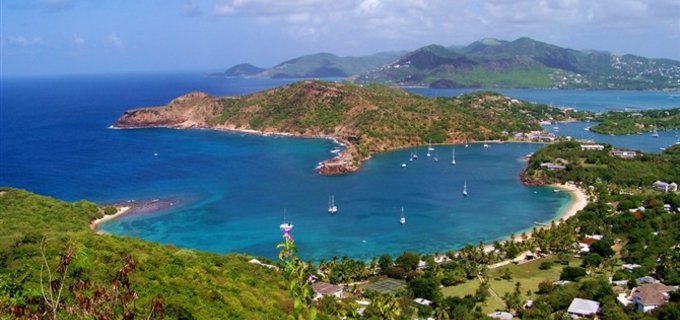
What are the characteristics of Guatemalan coffee? Guatemalan coffee American specialty dangerous land
[guide] the Ekatlago Valley rises to 2000 meters (6500 feet), with dense shade and unique ecology, and the nearby Fuego volcano erupts, making its coarse, sandy soil rich in various minerals. Temperate sea breezes from the Pacific Ocean and seasonal climate have raised the Ekatangol Valley in Guatemala Guatemala to 2000 meters (6500 feet).